Container shipping


Container shipping is an efficient and cost-effective logistics solution for transporting goods across the sea, connecting ports around the world. At A3 Logistic, we offer a service tailored to your company’s needs, ensuring safe and on-time deliveries worldwide. Thanks to our network of partners and agents in key ports, we provide logistics solutions that support the smooth management of your supply chain. Container shipping helps optimize transit times and reduce costs, making international operations easier while maintaining high standards of safety and reliability.
What is container shipping?
Container shipping refers to the use of standardized containers to transport goods by sea. These containers come in various sizes and types, allowing for the safe and efficient shipment of a wide range of products—from industrial materials to perishable goods. It’s an ideal solution for preserving cargo integrity over long distances, helping minimize risks and reduce costs.
How does the container shipping process work?
The container shipping process involves the following key steps:
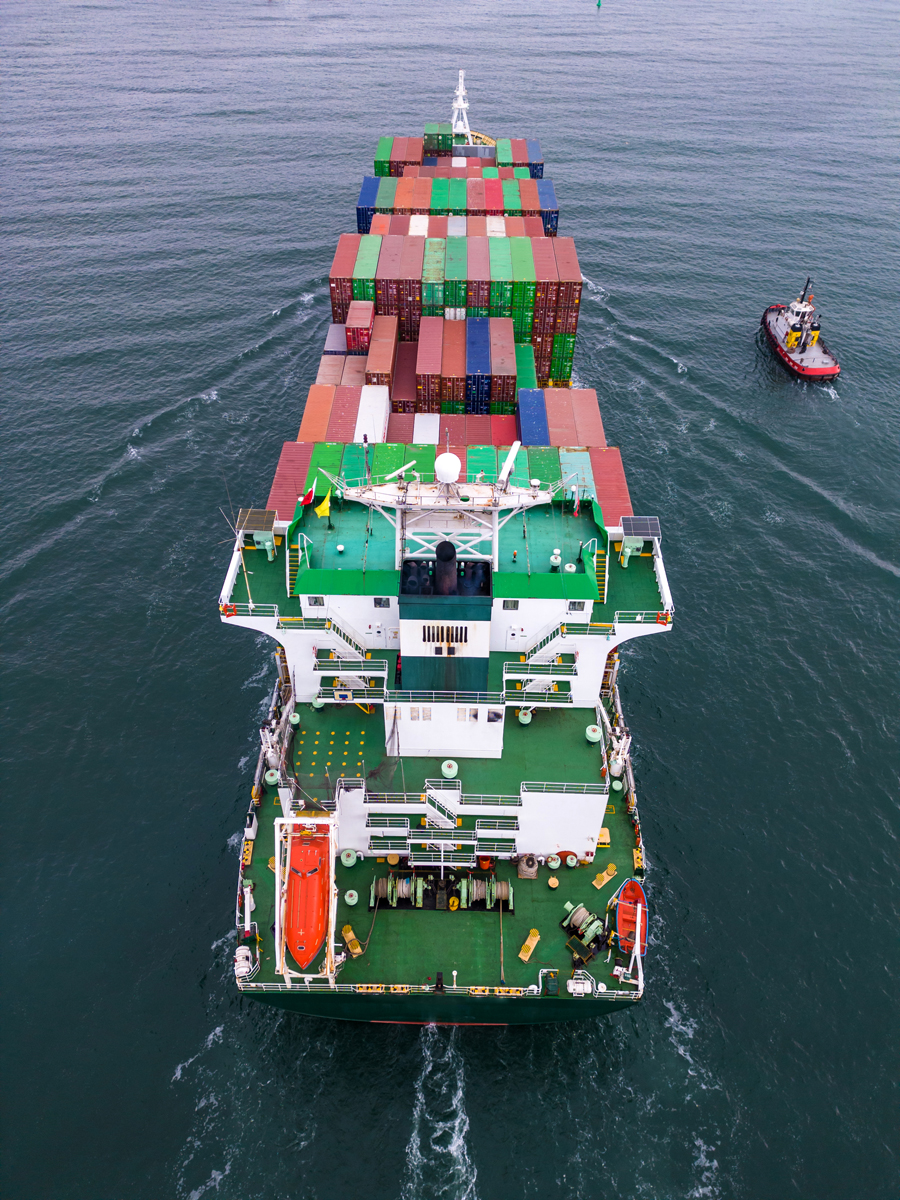
- Preparation and loading of goods: The customer selects the appropriate container type based on the cargo and ensures everything is properly packed and documented.
- Ocean transport: The container is loaded onto the vessel and shipped by sea to the destination port.
- Unloading and customs process: Once at the port, the container is unloaded and goes through customs clearance to verify documentation and regulatory compliance.
- Final delivery: The container is then transported to its final destination, where the goods are unloaded and delivered to the customer.
Throughout the entire process, A3 Logistic provides continuous tracking to ensure your cargo arrives safely and on time.
Types of containers in ocean shipping
In container shipping, there are several types of containers designed to suit the specific characteristics of the cargo:
-
Dry container (Standard): The most common type. It’s versatile and widely used for transporting goods by sea. Also known as general-purpose or dry cargo containers.
-
Refrigerated container (RF): Ideal for perishable goods that require temperature control. It features thermal insulation and a cooling unit. Commonly used for transporting food products like meat, fruits, and vegetables, as well as pharmaceuticals and chemicals.
-
Open Top container (OT): Used for oversized cargo that doesn’t fit in standard containers. It’s open at the top in addition to the end doors. The cargo must be covered with a tarp to protect it during transport.
-
Container for hazardous goods (IMO): Specifically designed to transport materials that pose risks to health, safety, or the environment. These containers comply with strict international regulations like the IMO’s IMDG Code (International Maritime Dangerous Goods Code) and are equipped with additional safety features to prevent leaks or accidents.
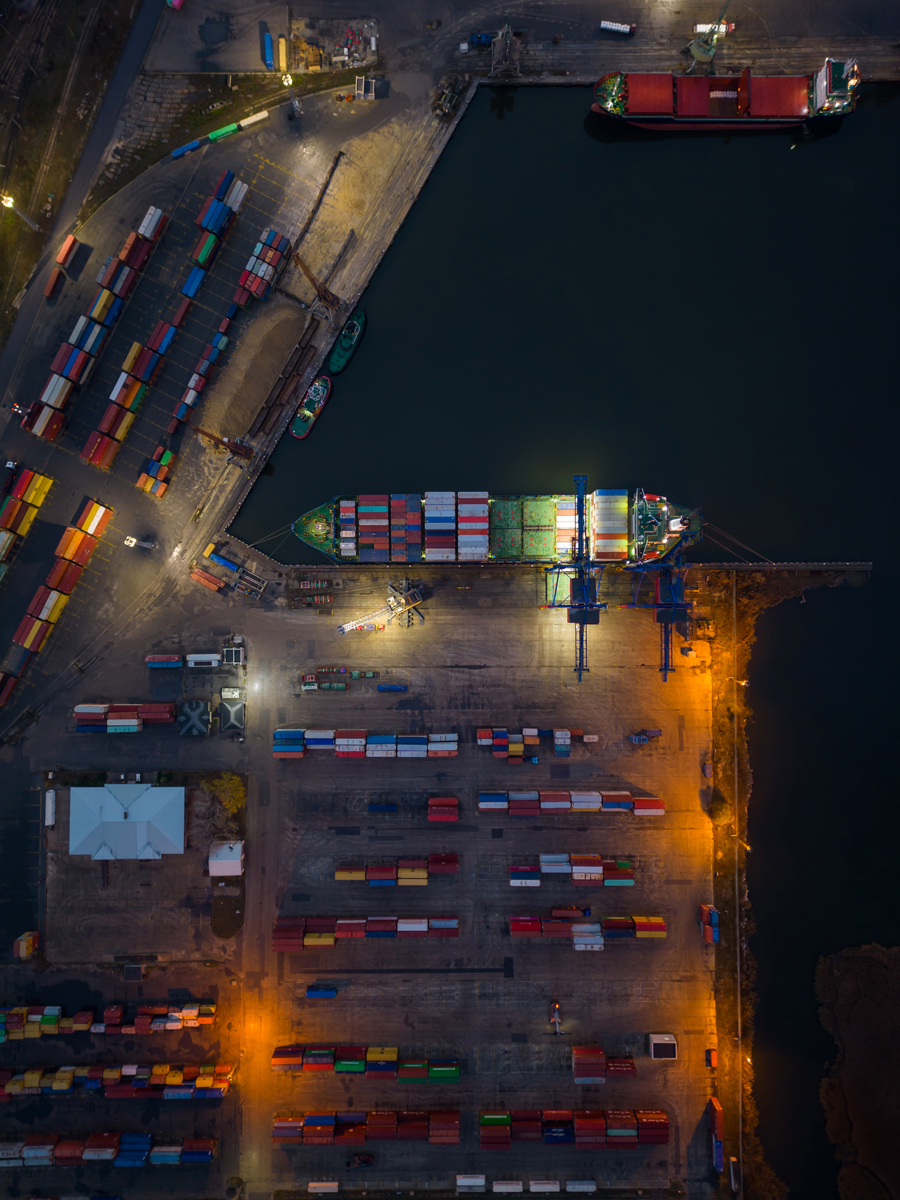
FLC and LCL containers in maritime container transport
At A3 Logistic, we offer two main service options in container shipping:
Full Container Load (FCL)
FCL service is ideal for customers who need an entire container for their shipment. This option is more cost-effective for large volumes and allows exclusive use of the container, offering greater security and reducing the risk of damage.
Less than Container Load (LCL)
Types of cargo in container shipping
In container shipping, there are several types of containers designed to suit the specific characteristics of the cargo:
-
Dry container (Standard): The most common and versatile type, widely used for transporting general cargo by sea. Also known as dry cargo or general-purpose containers.
-
Refrigerated container (RF): Ideal for perishable goods that require temperature control. These containers are thermally insulated and equipped with a cooling unit, making them suitable for transporting food products like meat, fruits, and vegetables, as well as pharmaceuticals and chemicals.
-
Open Top container (OT): Used for oversized cargo that doesn’t fit through the standard doors. These containers are open at the top and can be loaded from above. The cargo must be covered with a tarp to ensure safe transport.
-
Hazardous goods container (IMO): Specifically designed to transport dangerous goods that pose risks to health, safety, or the environment. They comply with international regulations such as the IMO’s IMDG Code and include extra safety features to prevent leaks or accidents.
-
Flat Rack container (FR): These have no roof or side walls, making them ideal for transporting oversized or irregularly shaped cargo such as machinery, vehicles, large stone blocks, or industrial equipment.
-
High Cube container (HC): Similar to the standard dry container but taller, suitable for lightweight, high-volume cargo.
-
Tank container: A cylindrical tank built within a container frame, designed to safely transport liquid cargo while maintaining the dimensions of a standard container.
-
Bulk container: Designed for transporting dry bulk cargo. It has openings at the top for loading and at the bottom for unloading.
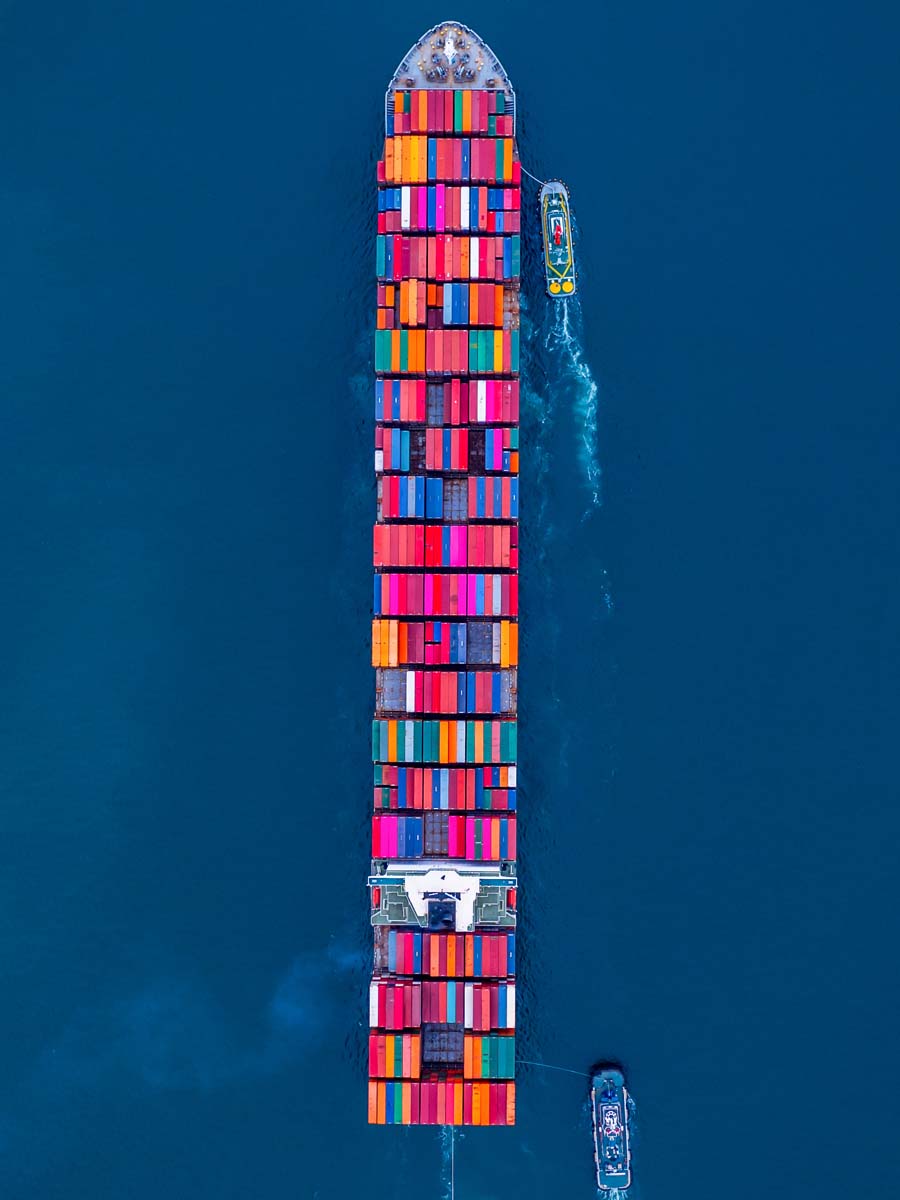
Each type of cargo requires specific planning and handling, and at A3 Logistic, we make sure your goods are transported safely, efficiently, and in full compliance with international regulations.
Benefits of container shipping
Container shipping offers a wide range of advantages:

-
Cost reduction: One of the most economical options for transporting large volumes of cargo.
-
Security: Containers provide greater protection against damage and theft.
-
Sustainability: Compared to other transport modes, container shipping is a more environmentally friendly option.
-
Flexibility: A wide range of container types is available to suit all kinds of cargo—from general goods to refrigerated or oversized shipments.
-
Global reach: With shipping routes connecting major ports around the world, container shipping plays a key role in international trade.
Main destinations for container shipping
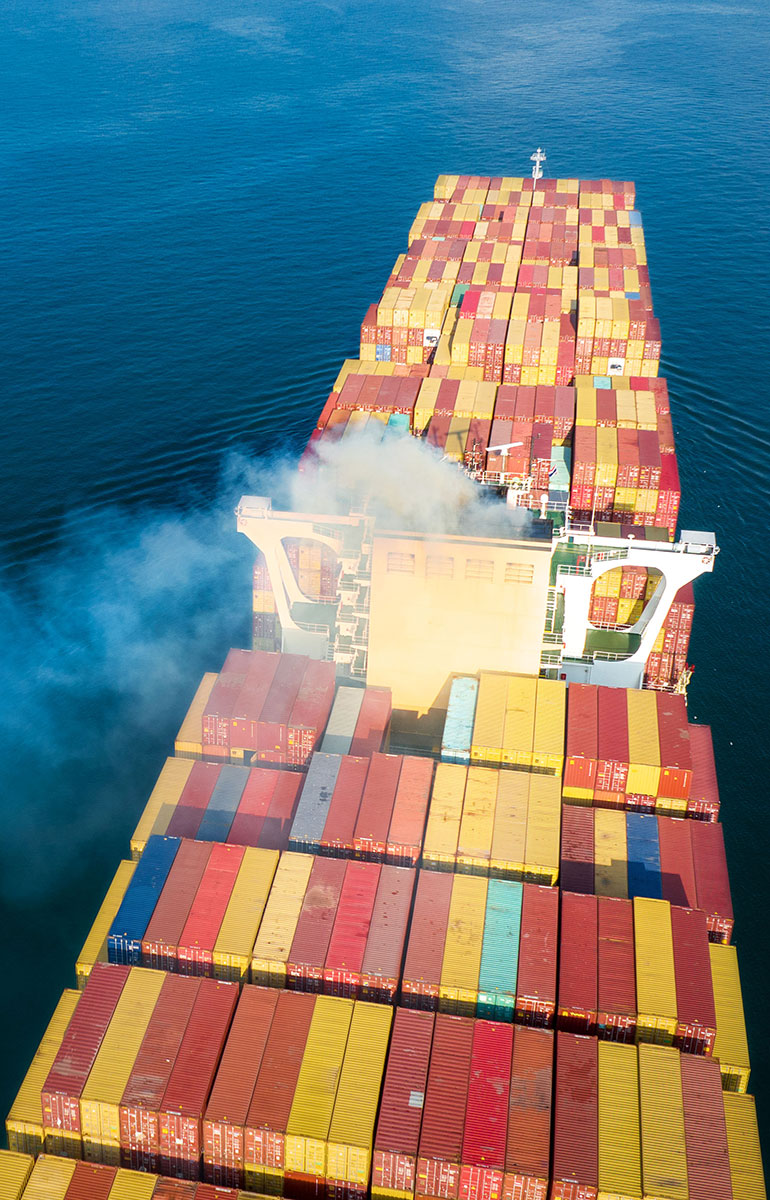
We offer global coverage for ocean freight services, ensuring your cargo reaches key international trade destinations safely and efficiently. Here are some of the main destinations across three major continents in global commerce:
-
Africa: Senegal, Togo, Nigeria, Ghana, among other countries
-
Americas: Dominican Republic, El Salvador, Mexico, Chile, United States, and Canada
-
Asia: Thailand, Vietnam, the Philippines, China, and more
Thanks to our international network of partners, we ensure efficient delivery anywhere in the world, always maintaining our commitment to on-time and secure shipments.
What do we offer at A3 Logistic in container shipping?
At A3 Logistic, we specialize in tailored container shipping solutions, offering reliable options for sending goods anywhere in the world. Whether you need full container loads (FCL) or consolidated shipments (LCL), we provide flexible services adapted to your specific needs.
Our service includes:
-
Personalized guidance to help you choose the right container type based on your cargo’s characteristics
-
End-to-end tracking and full shipment management, from origin to final delivery
-
Specialized services for all types of cargo: refrigerated, oversized, hazardous (IMO), as well as general and perishable goods
-
Crosstrade services between third countries, enabling shipments without passing through the country of origin or destination
Estimated delivery time in container shipping
The total delivery time—from the initial inquiry to the arrival of goods at their final destination—can vary depending on several factors, including the chosen shipping method, distance, type of cargo, and required customs procedures.
The shipping process involves multiple stages, each of which can affect the overall transit time. Key factors such as the origin and destination, the nature of the goods, and local regulations all play a role. Additionally, customs clearance in the destination country may cause some variation in estimated delivery times.
At A3 Logistic, we manage every stage of the process with maximum efficiency, providing clear timelines and consistent communication. We give you realistic transit estimates so you can plan ahead with confidence.
Estimated transit times for container shipping:
-
LCL (Consolidated shipments): 15 to 40 days
-
FCL (Full container load): 20 to 35 days
The full process includes managing your shipment from the initial request all the way to final delivery. In general, local delivery from the destination port can take an additional 5 to 10 days, depending on port logistics and customs procedures.
-
Delivery to your business: This final step usually takes 5 to 10 days, based on local conditions and the distance from the destination port.
If you have specific deadlines, our team of logistics experts will be happy to advise you on the best options to meet your delivery schedule.
Container shipping costs
The cost of container shipping varies based on several key factors, including the type of container, the shipping route, cargo volume, and any additional requirements such as special handling for hazardous or refrigerated goods. Here’s a general breakdown of the estimated costs for the most common services:
Container shipping costs can vary depending on several key factors, such as the type of container, shipping route, cargo volume, and any special requirements—like handling for hazardous or temperature-sensitive goods. Below is a general breakdown of approximate costs for the most common services:
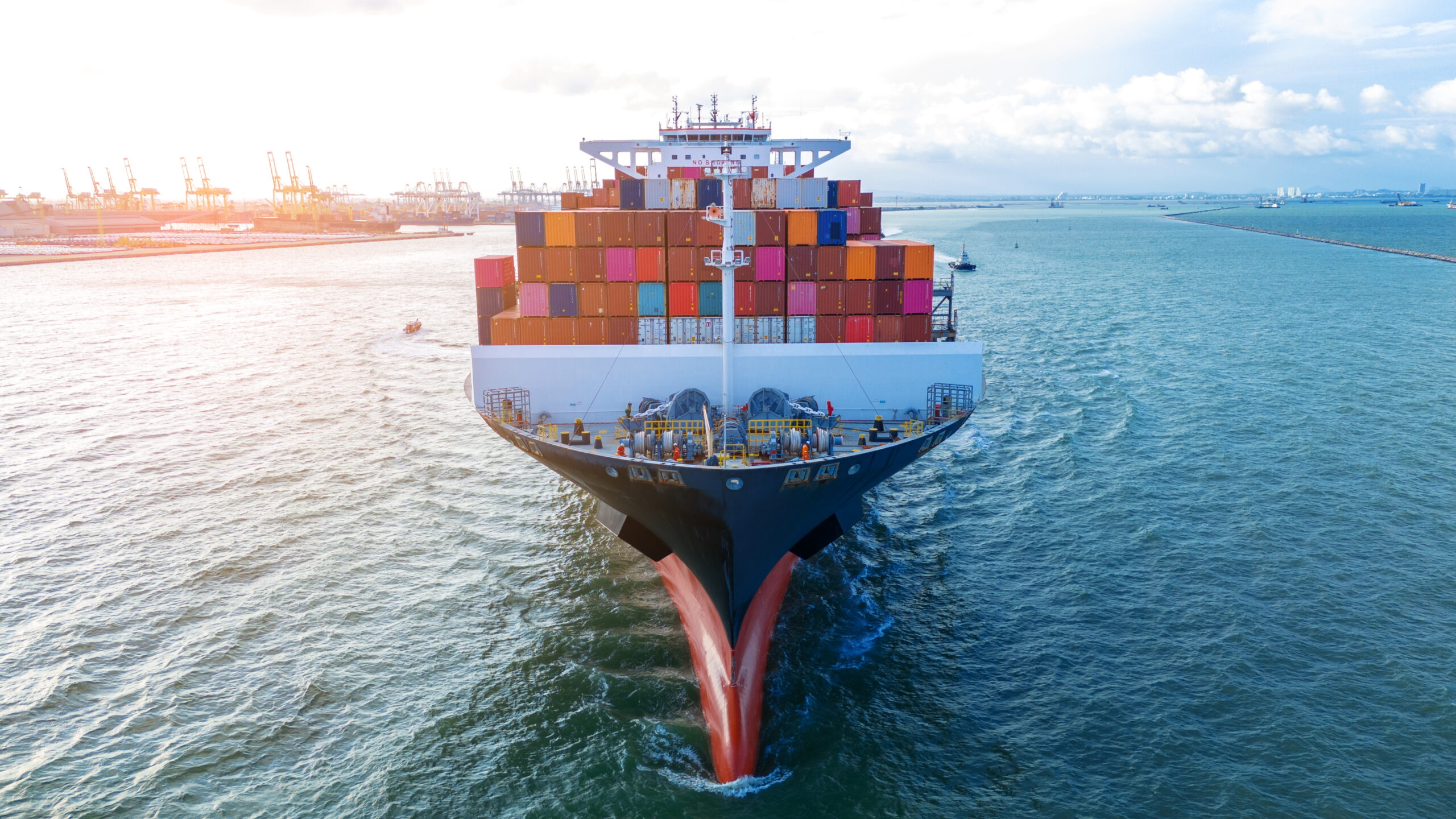
- General Cargo (FCL – Full Container Load): Ideal for shipments that require exclusive use of a container. Costs for dry containers (20′ or 40′) typically range from €1,500 to €3,000 per container, depending on the route and season.
- Consolidated Cargo (LCL – Less than Container Load): A more cost-effective option if you don’t need a full container. Prices generally range from €200 to €500 per cubic meter, depending on distance, route, and type of cargo.
- Oversized Cargo (Heavy Lift): For large or heavy items that can’t fit in a standard container—such as industrial equipment or heavy machinery—costs can vary widely. Prices usually start at around €5,000, increasing based on size and weight.
- Refrigerated Cargo (RF): For perishable goods that require temperature control, refrigerated container shipping typically costs between €2,000 and €5,000, depending on specific temperature requirements and destination.
It’s important to note that these costs are approximate and can vary based on factors such as the season, origin and destination ports, port fees, and fuel prices. For a more accurate and tailored quote, we invite you to contact us directly—our team will provide a personalized estimate based on your specific shipment.
At A3 Logistic, we’re committed to helping you optimize your container shipping costs while ensuring your cargo arrives safely and on time.
Documentation and requirements for container shipping
Container shipping requires several key documents:
-
Bill of Lading: A key document that serves as proof of the transport agreement.
-
Commercial invoice and packing list: Provide detailed information about the goods being shipped.
-
Certificate of origin and other customs documents: Required to verify the origin of the cargo and comply with import regulations.
At A3 Logistic, we handle all the necessary documentation to ensure a smooth and hassle-free shipping process.
Frequently Asked Questions
How much does container shipping cost?
Costs vary depending on the type of container, shipping route, and specific cargo, but we can provide an approximate estimate. For an exact quote, get in touch with us and we’ll send you a personalized offer.
How long does container shipping take?
Transit times depend on the chosen shipping method (FCL or LCL) and the specific route. In general, they range between 15 and 35 days.
Contact us for a more accurate estimate based on your shipment.
What documents do I need for container shipping?
The main documents include a Bill of Lading, commercial invoice, packing list, and other customs documents—all of which we handle for you.
Our team takes care of the entire process to ensure your shipment meets all regulatory requirements.
Can I ship hazardous or oversized cargo?
How can I request a quote for container shipping?
To request a quote, simply fill out our online form or contact us directly. We’ll provide you with a detailed quote based on your specific needs, including cargo type, destination, and service option.
Ask us anything you need
Our logistics experts are here to help. Get in touch with us and we’ll find the solution that fits your needs.