Waiver Certificate in exports to Africa
Waiver Certificate in exports to Africa
International trade with Africa has experienced steady growth in recent decades, driven by the region’s economic development and the increase in imports of consumer goods, machinery, vehicles, and raw materials.
However, exporting to this continent requires compliance with certain documentary requirements that differ from those in other parts of the world. One of the most important is the Waiver Certificate, also known as ECTN (Electronic Cargo Tracking Note) or CTN (Cargo Tracking Note), which has become an essential procedure for maritime transport to many African countries.
Below, we will examine in detail what this certificate is, what it involves, its purpose, the consequences of not presenting it, how it is processed, and in which countries it is mandatory.
What is the Waiver Certificate and why is it necessary?
The Waiver Certificate is an electronic customs control document that collects detailed information about a maritime export before the goods arrive at the destination port. Its name and format may vary depending on the country. In some countries, it is called BESC, BSC, BIETC, FERI, or CNCA, but all serve the same purpose: providing customs authorities with advance data about the transportation operation.
It was first implemented in Angola in the 1990s, and over time, more than 20 African countries adopted this measure. In many cases, the Waiver has become a legal requirement, without which the goods cannot be unloaded or cleared in the importing country.
What does this certificate involve?
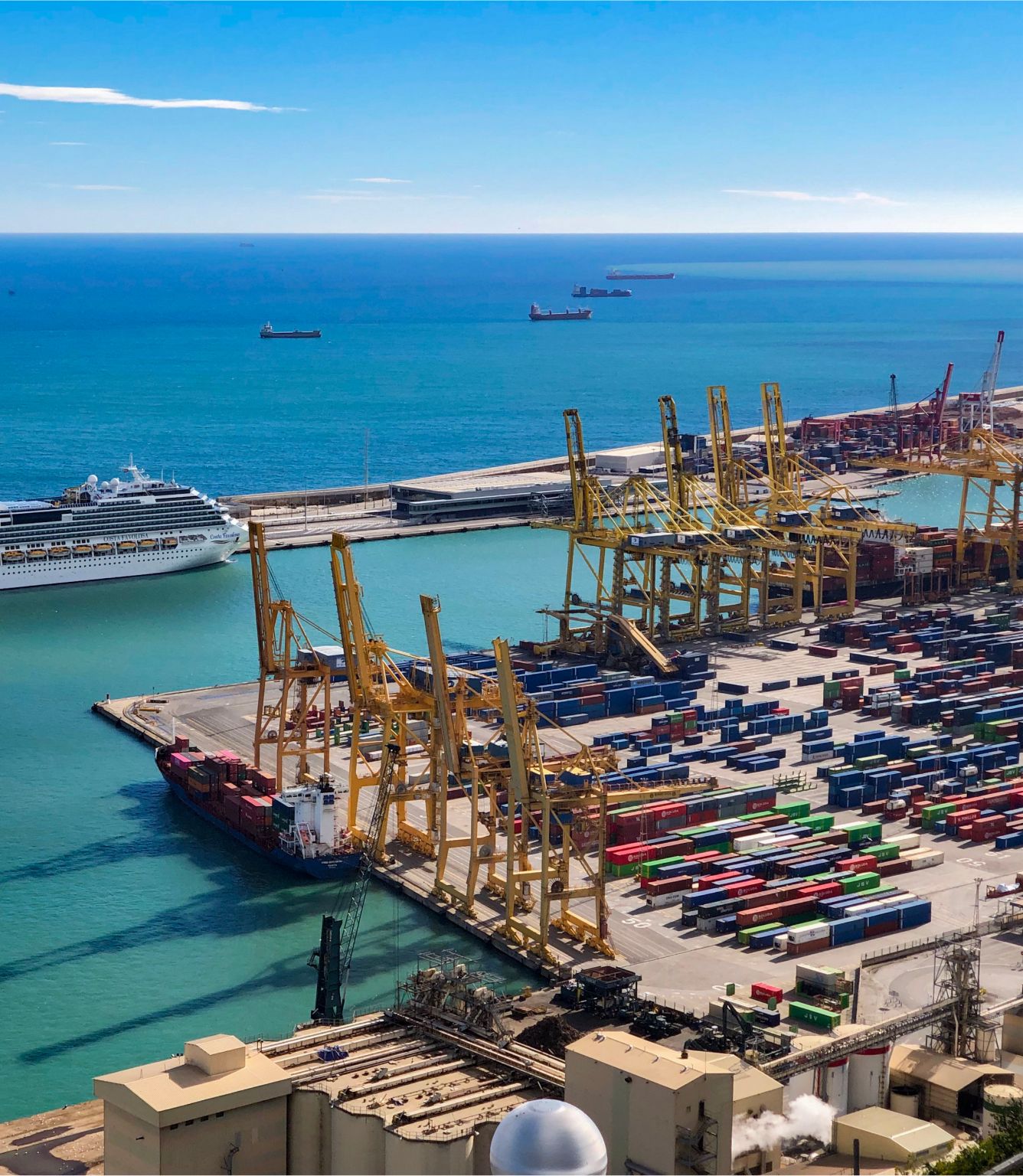
The Waiver is not merely a form but a detailed electronic record of each maritime operation.
It includes data such as:
- Complete information of the exporter and importer.
- Type of transport: full container load (FCL), less than container load (LCL), bulk cargo, vehicles (Ro-Ro), etc.
- Description of the goods and their commercial value.
- Vessel details: name, voyage number, and planned stops.
- Loading and unloading ports.
- Copy of the Bill of Lading.
- Maritime freight costs and associated surcharges
All this information must be submitted electronically to the competent authority of the destination country before the ship arrives at the port.
Purpose of the Waiver in international trade
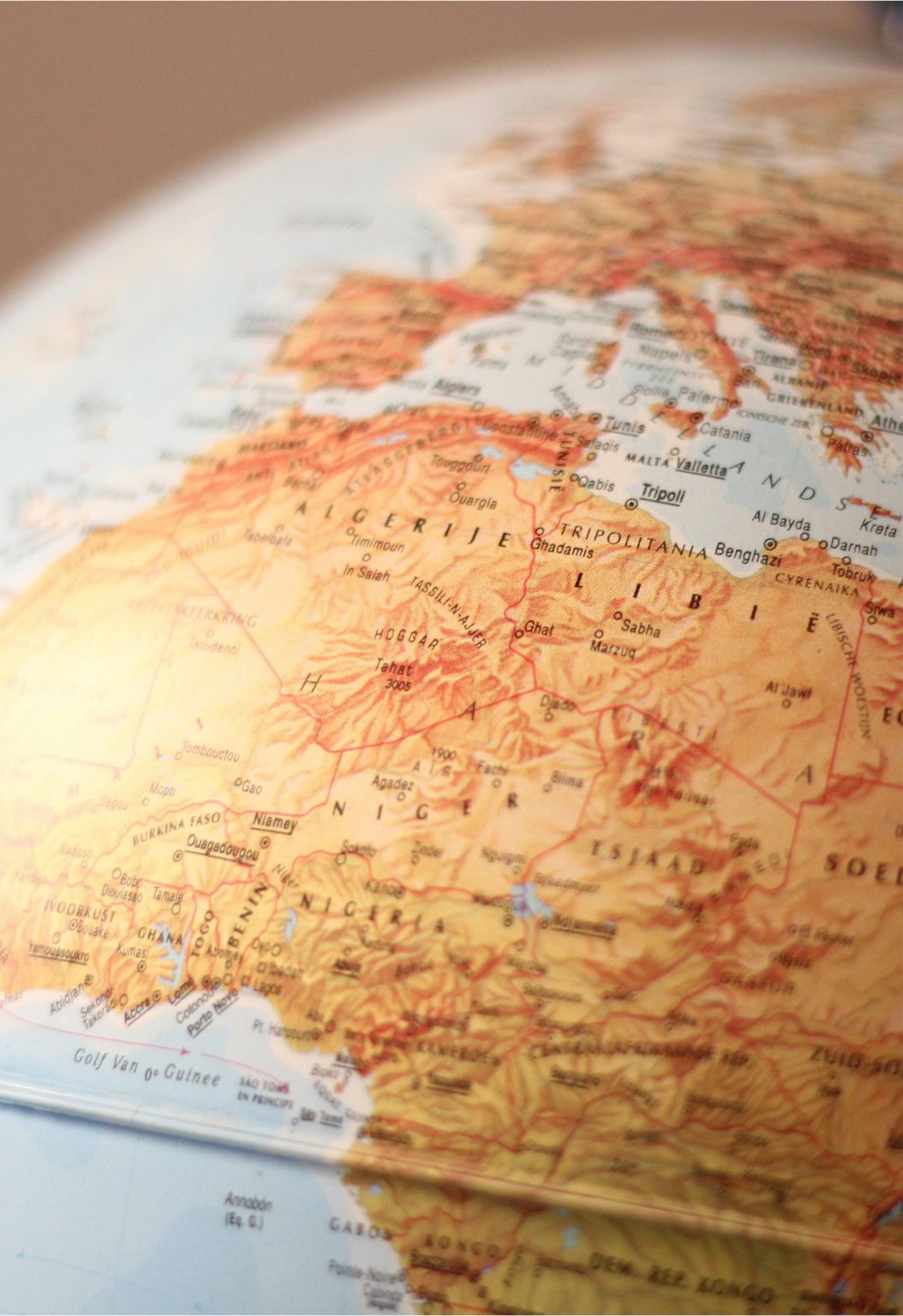
The main purpose of the Waiver is to control and monitor the flow of goods arriving in African countries by sea. Its objectives include:
- Cargo traceability: Allows customs to know in advance what goods will arrive, on which ship, and under what conditions.
- Fraud prevention: Prevents undervaluation, smuggling, or attempts to evade taxes.
- Customs security: Authorities can conduct prior checks and identify risks before the cargo arrives.
- Protection of national shipping companies: In some countries, it is required to ensure that part of the transport is carried out by local companies.
- Streamlining procedures:Having advance information speeds up unloading and clearance processes at the destination.
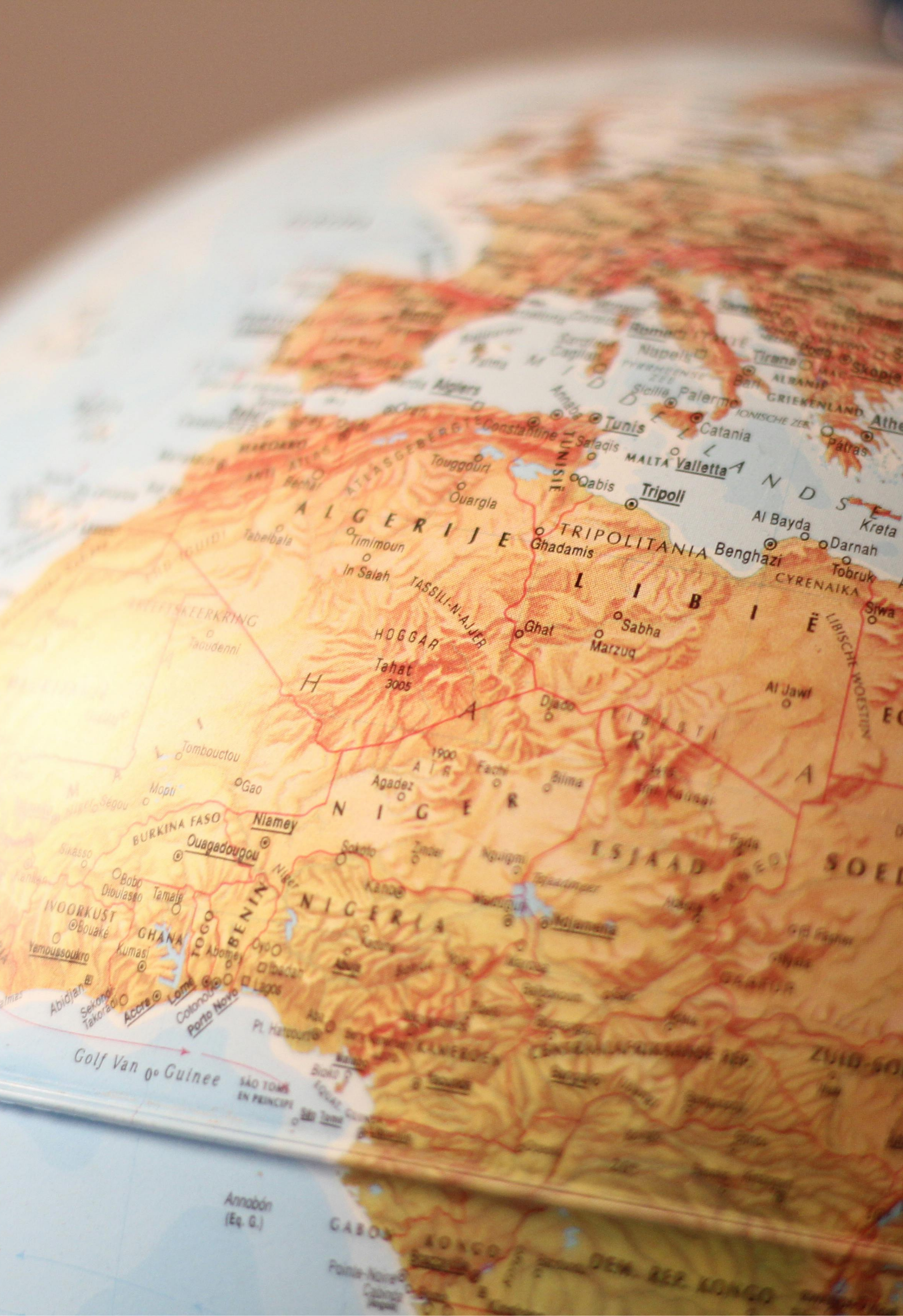
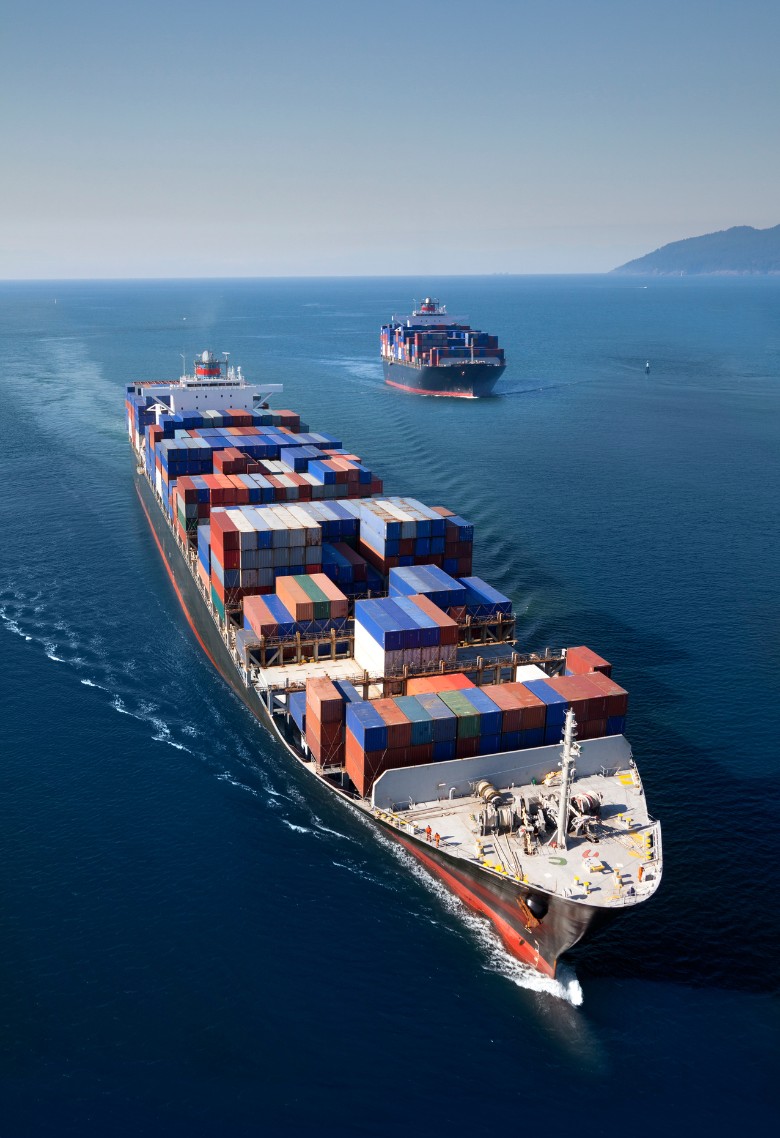
Consequences of not presenting the Waiver
Exporting to a country that requires the Waiver without having processed it can lead to serious issues. The most common consequences include:
- Retention of the goods at the port until the situation is regularized.
- Fines and economic penalties, which in some cases can exceed thousands of dollars.
- Delivery delays, affecting the commercial relationship with the end customer.
- Additional storage and port delay costs.
- In extreme cases, the cargo may be returned to the country of origin or confiscated by authorities.
For these reasons, it is considered a critical document, and its absence can compromise the entire export operation.
How is the Waiver processed?

The Waiver is usually processed through a freight forwarder, customs agent, or specialized company, although in some cases it can be handled directly by the exporter or importer.
The documentation required to request it typically includes:
- Copy of the Bill of Lading.
- Commercial invoice.
- Maritime freight invoice.
- Packing list.
- In some cases, specific certificates depending on the nature of the cargo.
Issuance deadlines
The Waiver must be processed before the ship departs from the port of origin or, at the latest, before its arrival at the destination. If requested late, some countries do not accept it, and the goods may be blocked.
Associated costs
Fees vary depending on the country, cargo volume, and type of operation. They usually include a transmission fee and a cost per container or issued document.
¿Quién es responsable de gestionarlo?
The responsibility for processing the Waiver can fall on either the exporter or the importer, depending on the terms agreed upon in the Incoterms of the transaction.
- In FOB or CFR exports, it is usually the importer who requests it.
- In CIF or DAP operations, the exporter generally handles it through their freight forwarder.
African countries that require the Waiver

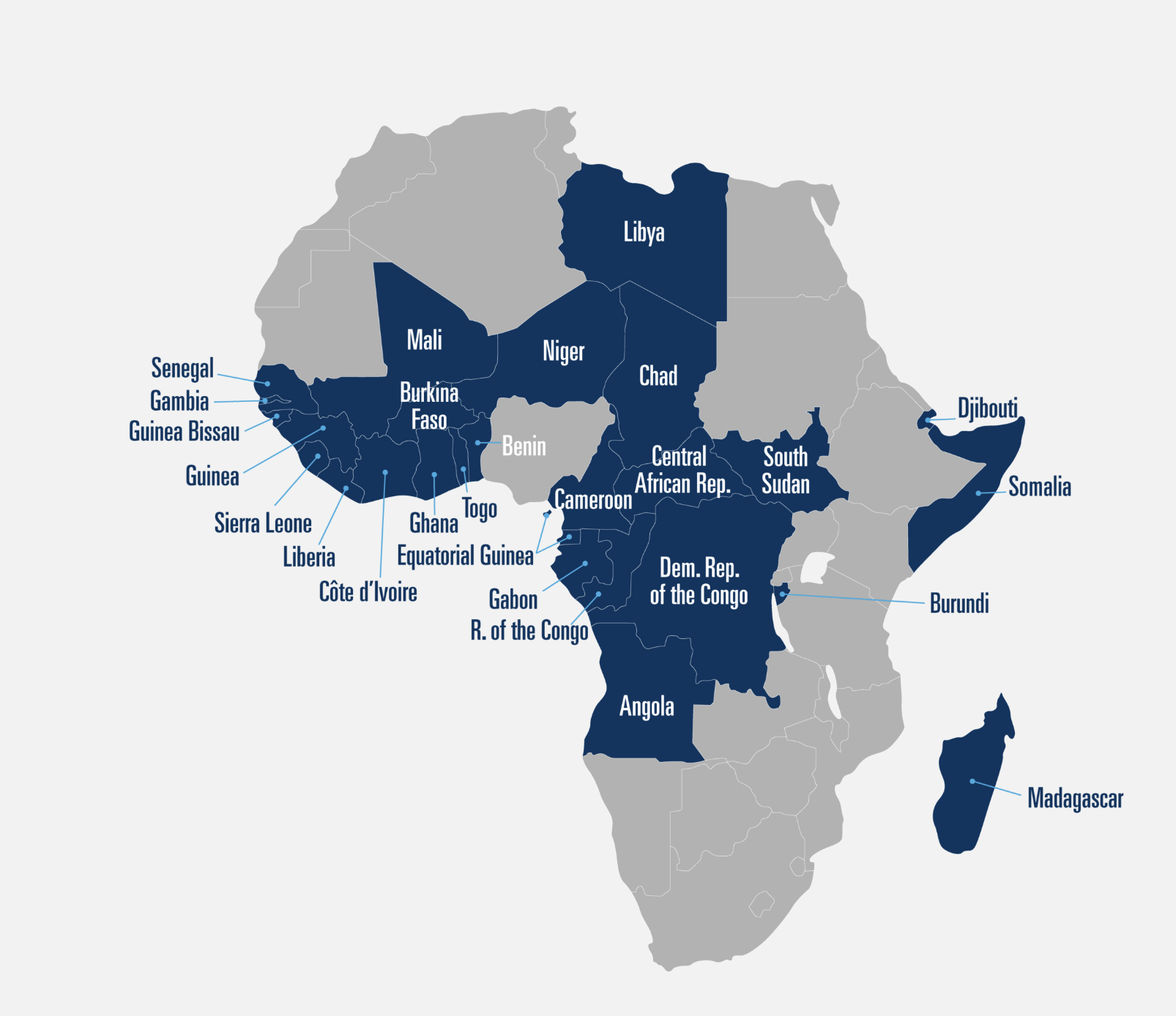
More than 20 African countries require this certificate. Among them are:
- West Africa: Senegal, Ghana, Côte d’Ivoire, Nigeria, Benin, Togo, Guinea, Mali, Niger, Sierra Leone, Liberia, Guinea-Bissau.
- Central Africa: Cameroon, Republic of the Congo (Pointe Noire), Democratic Republic of the Congo (Matadi), Gabon, Central African Republic, Chad.
- East and North Africa: South Sudan, Somalia, Djibouti, Egypt (with ACID system), Tanzania, Kenya, Uganda, Libya, Madagascar, Burundi.
- Other countries: Angola, Equatorial Guinea, Gambia.
It is important to note that this list may be updated based on each government’s decisions. Therefore, it is always recommended to verify the current regulations before each export.
Recommendations for exporters
For companies starting operations with Africa, managing the Waiver may seem complex. Some key recommendations are:
- Plan ahead: start the process in parallel with the preparation of the shipment.
- Work with a reliable freight forwarder who knows the specific requirements of each country.
- Verify the agreed Incoterms with the client to determine who is responsible for the certificate.
- Stay updated on regulations, as some countries change requirements periodically.
- Avoid last-minute arrangements: processing the Waiver at the last moment usually generates additional costs.
Conclusion
The Waiver is much more than a simple administrative procedure: it is an essential tool for control and traceability in maritime trade with Africa. It allows customs authorities to receive information in advance, ensures the legality of operations, and protects the local economy.
Not having this document can result in penalties, cargo blocks, and additional costs that jeopardize the viability of an export. Therefore, any company wishing to enter or consolidate markets in Africa must integrate Waiver management into its logistics strategy and rely on specialized professionals to ensure compliance with this requirement.
In short, the Waiver is a key component in the machinery of international trade with Africa, and its proper processing ensures safety, efficiency, and success in operations.
Ask us
anything you want
Our transportation logistics experts are available to assist you. Contact us, and we will find the solution you need.