Transport of hazardous chemical products sector


It is important to distinguish between hazardous goods and hazardous chemical products, as not all hazardous chemical products are classified as hazardous goods, and vice versa.
Therefore, it is essential to correctly identify whether an item is a hazardous good, since transporting these requires compliance with stricter regulations. A simple way to verify this is by checking the specific labeling on the packaging, which indicates that it is a hazardous good subject to special transport regulations.
Shipping and handling of chemical products
It is important to distinguish between hazardous goods and hazardous chemical products, as not all hazardous chemical products are classified as hazardous goods, and vice versa.
Therefore, it is essential to correctly identify whether an item is a hazardous good, since transporting these requires compliance with stricter regulations. A simple way to verify this is by checking the specific labeling on the packaging, which indicates that it is a hazardous good subject to special transport regulations.
What are hazardous chemical products?
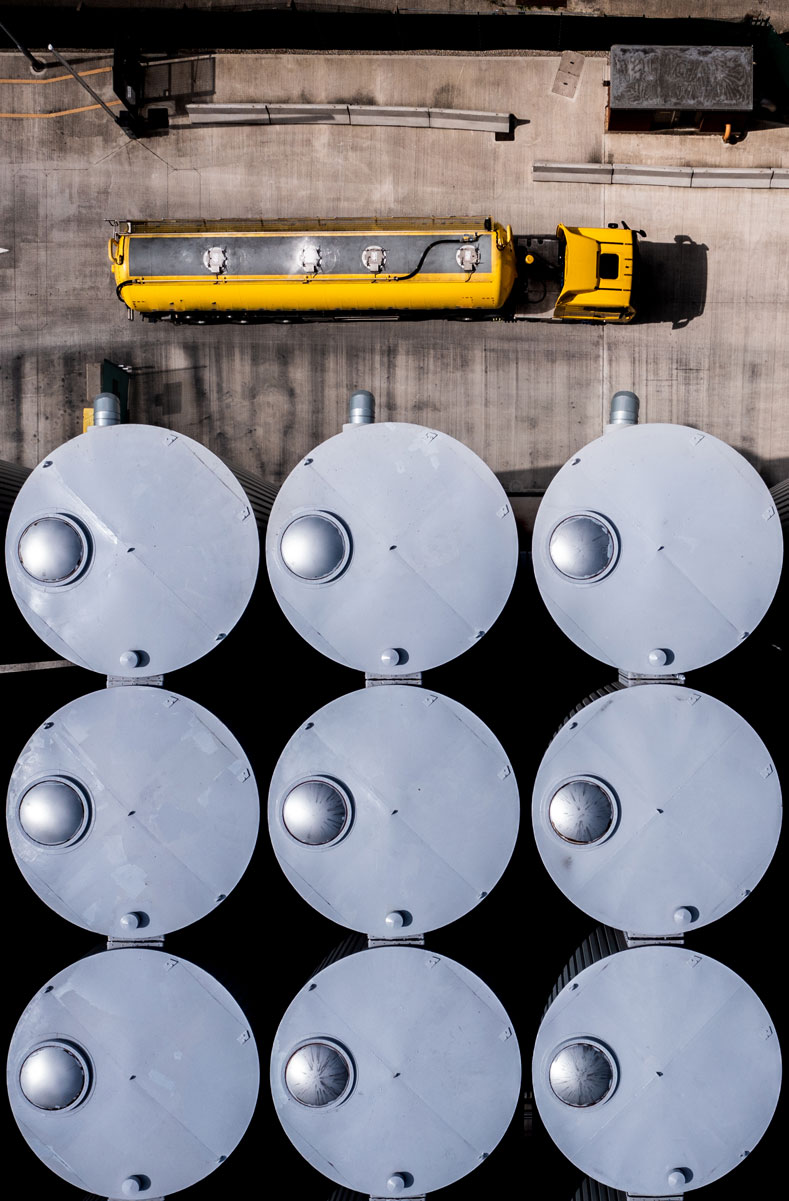
Hazardous chemical products are substances or mixtures that, due to their chemical characteristics or physical properties, pose a risk to human health, the environment, or public safety during handling, storage, transport, or disposal. These products can be flammable, explosive, toxic, corrosive, reactive, or radioactive, and their exposure or release into the environment can cause serious harm.
Transport in the hazardous chemical products sector
Types of hazardous chemical products
The hazardous chemical products sector is classified into classes, which are further divided into subgroups.
Classification according to properties
- Physical properties(solids, liquids or gases): Depending on the characteristics of an emergency, materials can be affected by certain physical properties such as vapor density, water solubility, specific gravity, and boiling point.
- Chemical properties (related to health, flammability, and reactivity): This refers to the production of substances that are hazardous to human life and the environment, as well as their ability to burn or explode, including toxicity level, corrosiveness, flash point, and temperature.
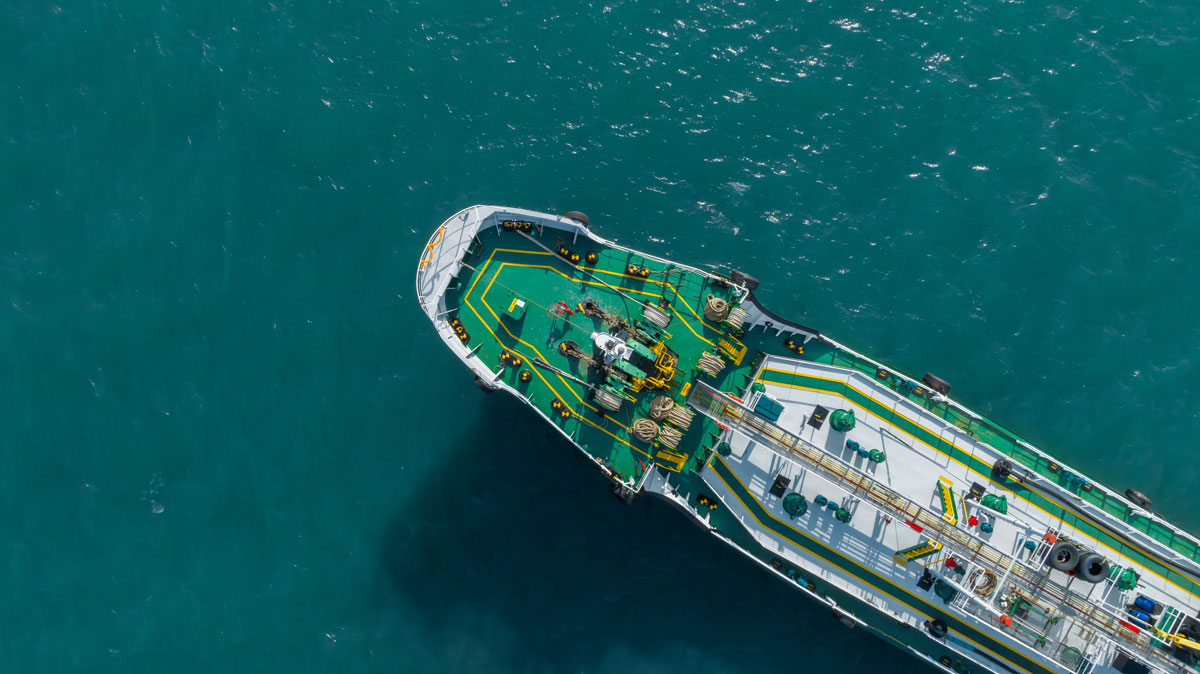
Classification according to characteristics
Hazardous chemical products are classified according to their characteristics and the risks they pose to human health, the environment, and safety. Below are the main types of hazardous chemical products that are transported and handled in international logistics:
- Flammable substances
These are products that can easily catch fire, including liquids, gases, or solids. Common examples include gasoline, ethanol, acetone, and many solvents.
- Explosive substances
These are materials or devices that release gas and heat; their activation can result from heat, impact, or contamination, leading to mechanical or thermal hazards. They are capable of causing a violent reaction, releasing gas and energy.
- Toxic substances and poisons
These products can cause serious harm to human or animal health even in small amounts. Examples include cyanide, arsenic, and certain pesticides.
- Corrosive substances
Materials that cause damage upon contact with skin, corrode or weaken steel and aluminum, and emit vapors that can be toxic or irritating.
- Radioactive substances
These products emit radiation that can be hazardous to health. Used in medicine and nuclear energy, they include materials such as uranium and plutonium.
- Regulated materials
Materials not included in another hazard class during transport, but which may be anesthetic, harmful, or cause irritation.
- Environmentally hazardous substances
Products that, if not handled properly, can contaminate water, air, or soil. Many pesticides, detergents, and industrial solvents fall into this category.
Each of these products requires specialized handling and transport according to international regulations to ensure the safety of people and the environment.
What is ADR in the transport of hazardous goods?
The ADR is a European agreement signed in 1957 aimed at regulating the road transport of hazardous goods. Its full name is the European Agreement concerning the International Carriage of Dangerous Goods by Road, and it covers 49 countries.

This convention has two main objectives: on one hand, it facilitates the transport of hazardous chemical products between countries, and on the other, it ensures that this transport is carried out under strict safety conditions.
The ADR specifies which hazardous substances can be transported by road, the requirements for their packaging, as well as regulations regarding labeling, loading, and unloading.
It also establishes the necessary documentation for each type of substance and the specific training that operators handling these materials must receive.
Classification of hazardous chemical products
It is essential to properly classify each hazardous good, including its UN number, official designation, and corresponding packing group.
What is the UN number?
The UN number is a unique four-digit code assigned to each hazardous good in accordance with the UN Model Regulations. This number specifically identifies a hazardous substance. The official designation that must be included in the transport documentation must correspond to the name listed in international codes, ensuring the correct identification of the cargo.
The packing group refers to the level of danger a substance presents during transport and is linked to the safety measures that must be applied during transit.
At A3 Logistic, we are experts in the transport of chemical products. Our trained and specialized staff are available to advise you on regulations and the classification of hazardous goods.
Labeling of chemical shipments
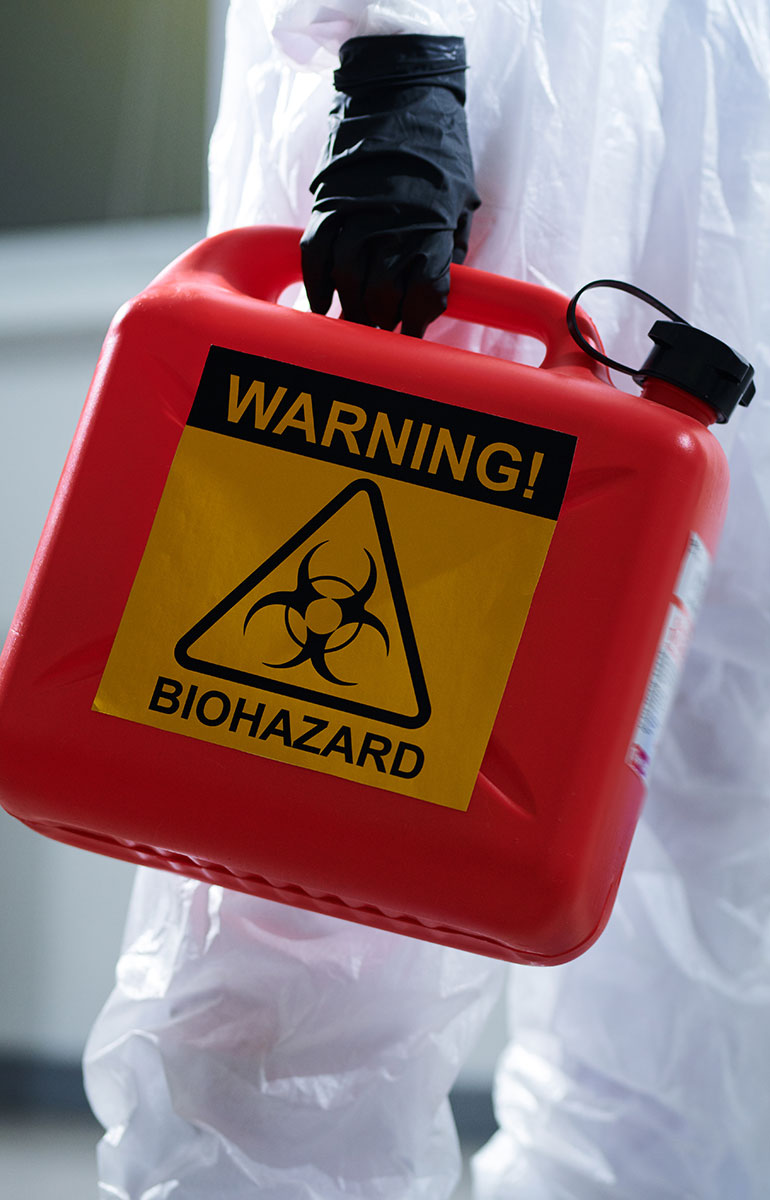
All cargo containing hazardous chemical products must carry the corresponding UN number, preceded by the letters “UN,” along with the appropriate labels according to international codes. These labels must comply with the color, symbol, and format standards established in international regulations for the transport of hazardous goods, ensuring clear and accurate identification of associated risks.

The transport process in the hazardous chemical products sector
The transport of hazardous chemical products is not just a matter of logistics; it is a matter of safety and regulatory compliance. Our process is designed to ensure the integrity of the products throughout the entire journey.
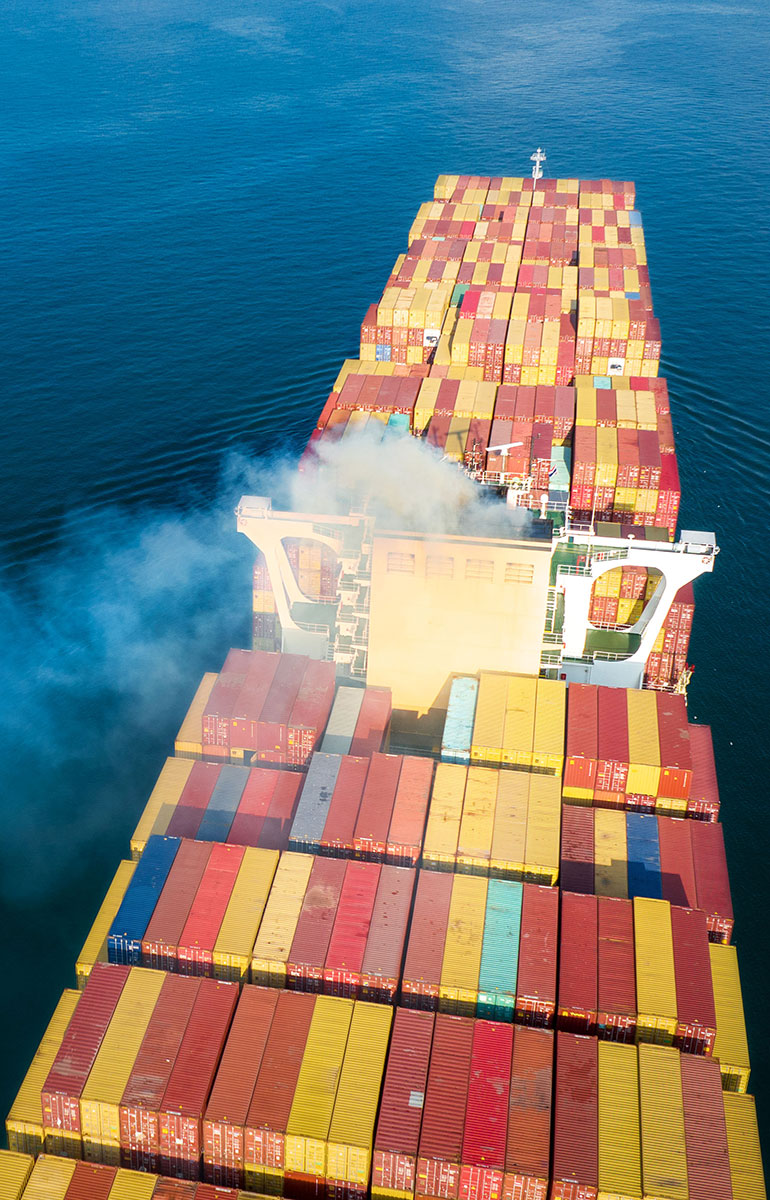
- Risk assessment and planning: Before each shipment, we conduct a detailed analysis of the type of substance, transport conditions, and associated risks. This step is key to selecting the appropriate equipment and defining the safest route plan.
- Packaging and labeling: We use certified containers and packaging that comply with international regulations for hazardous goods. Additionally, we ensure that all products are properly labeled with warning symbols and other required information.
- Specialized transport: For each type of hazardous substance, we select the appropriate vehicle, whether tank trucks, vehicles equipped with temperature control systems, or specialized equipment for bulk transport.
- Real-time monitoring: Thanks to our advanced tracking technology, we provide continuous monitoring of the shipment to intervene immediately if necessary.
- Safe delivery and documentation: We ensure that the entire process is accompanied by the necessary documentation, such as the hazardous goods transport document, and that deliveries are carried out safely and in compliance with regulations.
Why is it so important to transport hazardous chemical products correctly?
The transport of chemical products is a complex task that involves risks due to the nature of these substances. Ensuring the safety of these products is essential to prevent incidents that could affect both people and the environment. Below, we explain why it is so important to transport hazardous chemical products correctly:
- Leaks and spills: Liquid or gaseous chemical products are particularly vulnerable to leaks and spills during transport. Factors such as container damage, vibrations during transit, or extreme weather conditions can cause these incidents.
- Hazardous chemical reactions: Some chemicals can react with each other or with other elements in their environment, triggering dangerous chemical reactions.
- Risk of fires and explosions: Certain chemicals are highly flammable or explosive, increasing the risk of fires and explosions, especially in situations of collision or impact.
- Material incompatibility: Some chemicals are incompatible with certain packaging materials or with other substances during transport. This incompatibility can cause unexpected reactions that compromise shipment safety.
- Environmental factors and weather conditions: Weather can significantly influence the safety of chemical transport. Extreme conditions can increase risks.
Soluciones de transporte para el sector de productos químicos peligrosos con A3 Logistic
At A3 Logistic, we have extensive experience in transporting hazardous chemical products and understand that each shipment requires a unique approach. Below, we present our main specialized solutions for this sector:

- Specialized tank trucks
Our tank trucks are specifically designed for the safe transport of hazardous chemical products. We have tanks of various sizes and capacities, equipped with advanced safety systems such as safety valves, temperature sensors, and spill-prevention devices. Additionally, we ensure that our vehicles comply with all international regulations for transporting hazardous goods.
- Heating equipment for products requiring temperature control
Some hazardous chemical products require transport at controlled temperatures to maintain stability and prevent dangerous reactions. We offer specially designed heating equipment to ensure substances are transported at the ideal temperature. These systems are essential for the hazardous chemical products sector, as well as for the construction industry.
Why choose A3 Logistic for the transport of hazardous chemical products?
A3 Logistic is the ideal choice for the transport of hazardous chemical products. With years of experience and a focus on safety and regulatory compliance, we provide solutions tailored to the needs of each client and shipment. Our trained personnel and specialized vehicles for transporting hazardous chemical products form the perfect combination to ensure the efficient and safe transport of your goods.
Benefits of choosing A3 Logistic
- Compliance with international regulations
- Safety throughout the process: From packaging to delivery
- Continuous monitoring: Throughout the entire journey
- Ability to handle diverse hazardous substances
- Trained and experienced personnel in handling hazardous chemical products
If you need logistics solutions for the transport of hazardous chemical products, A3 Logistic is the choice that ensures safety, reliability, and compliance at every stage of the process.
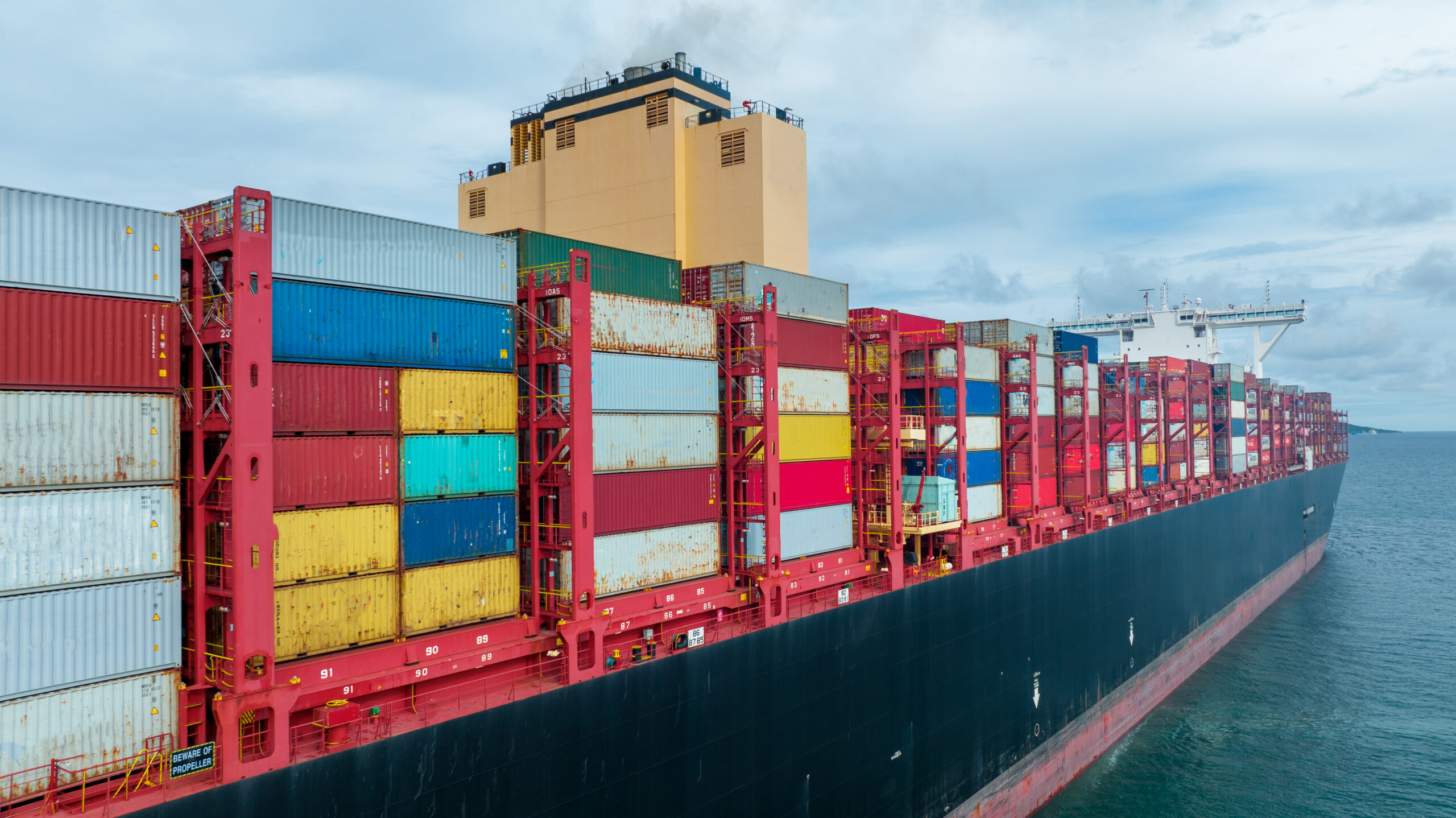
Transport time in the hazardous chemical products sector
Transport time in the hazardous chemical products sector depends on several factors, such as the nature of the product, the distance, the mode of transport, and regulatory requirements. Below, we outline transport times based on the type of product and logistical conditions:

- Liquid, flammable, and gaseous products: These products require urgent transport due to their high hazard. Delivery times are usually 24 to 72 hours, depending on distance and mode of transport.
- Explosive products: Delivery times are typically 48 to 96 hours, depending on distance and safety requirements.
- Toxic substances and poisons: These products are usually transported within 24 to 72 hours, although international shipments may take longer depending on customs and safety regulations.
- Corrosive substances: Corrosive products generally have delivery times of 24 to 72 hours, with special attention to safety measures to prevent damage during transit.
- Environmentally hazardous substances: Products hazardous to the environment usually have delivery times of 48 to 96 hours, depending on distance and product type.
- Regulated materials: These products are generally transported within 24 to 72 hours.
FAQ
What types of requirements must shipments of hazardous chemical products meet?
Shipments of hazardous chemical products must comply with a series of national and international regulations, such as the ADR (European Agreement concerning the International Carriage of Dangerous Goods by Road). These requirements include proper labeling, the use of certified packaging, and adherence to safety conditions during transport.
What types of vehicles are used for the transport of hazardous chemical products?
The transport of hazardous chemical products is carried out in specialized vehicles according to the nature of the goods. This can include tank trucks for liquids and gases, leak-proof containers, or vehicles with temperature control systems, depending on the characteristics of the product being transported.
How are hazardous chemical products labeled for transport?
Hazardous chemical products must be labeled with the corresponding UN number, along with warning labels indicating the type of associated risk (flammable, toxic, corrosive, etc.). These labels must comply with international regulations and be clearly visible on all packages or containers.
How are environmental risks managed during transport?
The transport of hazardous chemical products is carried out under strict protective measures to prevent any negative impact on the environment. If you have any further questions about the transport of hazardous chemical products, do not hesitate to contact us. At A3 Logistic, we are committed to safety and regulatory compliance in all our services.
What is required to transport goods?
To transport goods, at a minimum, a vehicle and a driver are required. Depending on the type of goods, specific permits and documentation may be needed, as well as specialized vehicles and transport conditions tailored to the cargo. There are specific transport types for goods requiring refrigeration or heating.
Ask us
anything you want
Our transport logistics experts are available to assist you. Contact us, and we will find the solution you need.